
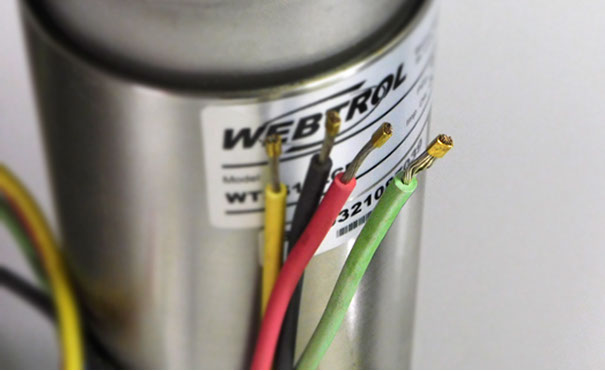
Why Ground Wires are Critical on Pump Motors
Any “modern-day” pump motor has either a ground screw or ground wire. We all acknowledge that motors should be grounded, but many do not know why. Grounding is used for the protection of anyone who could come in contact with the motor or piping that is attached. Keep in mind that although a pump may be connected to a plastic
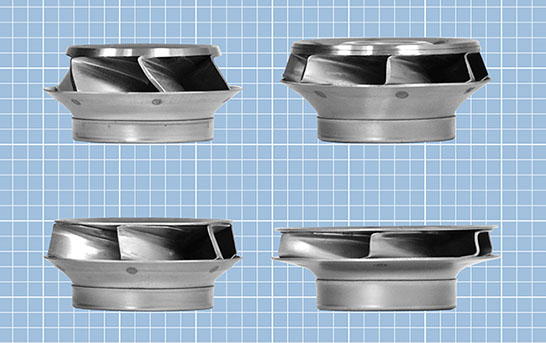
Inside Your Centrifugal Pump: Impellers
The impellers inside your centrifugal pump may look very similar, but their performance differs due to their design. Besides the number of impellers stacked in a pump, the width of the impeller, the number, angle, and thickness of the vanes inside the impeller all play a role in performance. There are 3 basic types of pump impellers: Radial Flow indicates
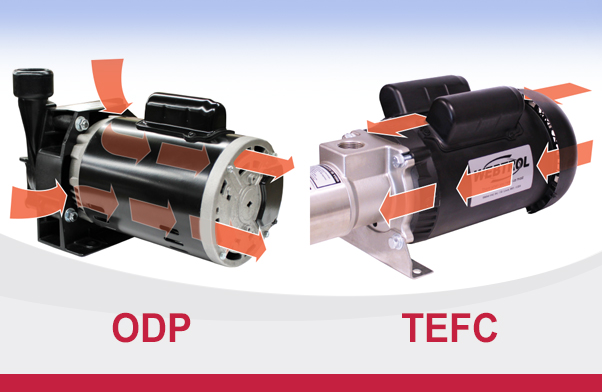
ODP vs TEFC: Cooling Industrial Pump Motors
Like all motors, centrifugal and booster pump motors need to keep cool to work efficiently. Fans built into or onto these hard-working motors are designed to do just that: keep the motor cool so the pump keeps running. There are typically two common types of motor enclosures: ODP and TEFC. ODP The ODP, Open Drip Proof, motor enclosure has open
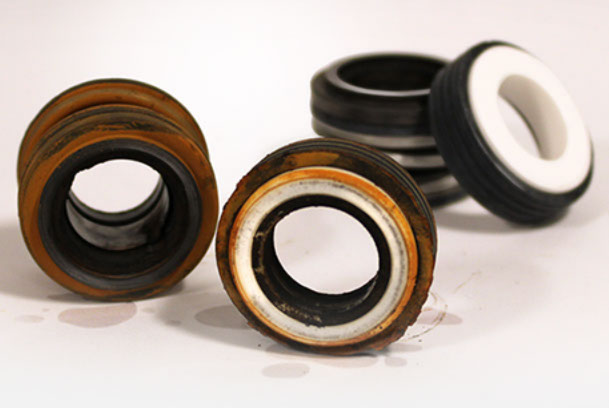
6 Reasons Why Mechanical Seals Fail
Mechanical Seals are a vital pump component which prevents fluid from escaping a pump chamber through the port where a shaft drives the pump. When these seals fail, they need to be replaced quickly to avoid excessive downtime. In recent years mechanical seals have replaced many stuffing boxes which was the original sealing method. With the introduction of mechanical seals,
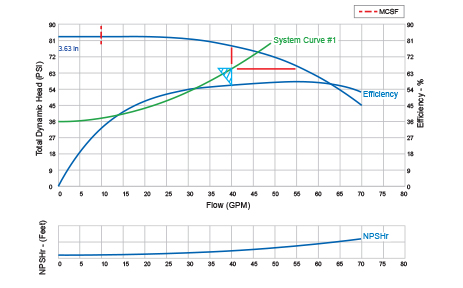
What is a System Curve?
The System Curve Explained A system curve is a plot of your pumping system for various flow. The system curve calculates your static conditions, those that exist without pumping product such as line pressures or elevation, and then adds conditions that vary with flow such as piping friction loss or equipment in the system that causes more TDH (Total Dynamic
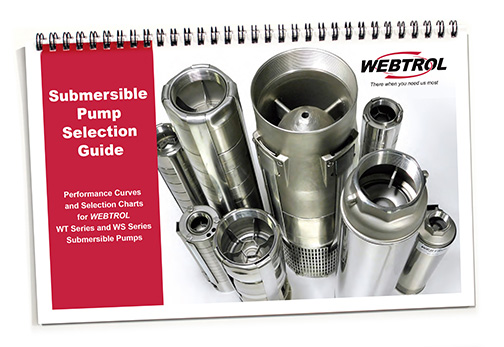
Submersible Pump Selection Guide
We’ve created a convenient Submersible Pump Selection Guide to help you quickly find the pump you need. The easy-to-use guide contains only the necessary information you need – performance curves, selection charts, and NPT discharge sizes – to find your pump. We’ve simplified the content so you can make your selection quickly. The downsized booklet fits in your truck console
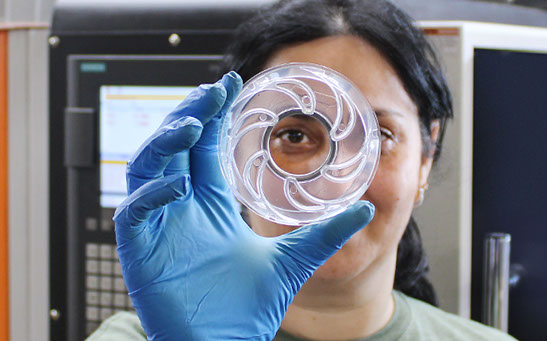
Injection Molding Our Impellers and Diffusers
At the heart of a centrifugal pump is the impeller and diffuser. We injection mold, machine, and quality check these critical pump components for ideal performance. As we have done for decades, we melt a variety of thermoplastic resin pellets, such as Noryl®, Delrin®, and Polycarbonate (Lexan), and inject them into our molds to make 4” and 6” impellers and
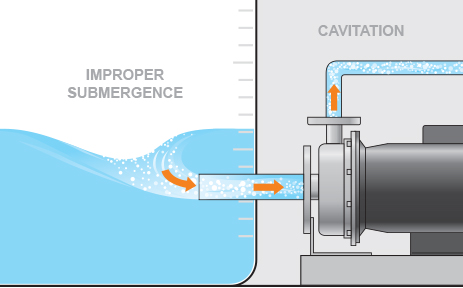
Proper Submergence Can Control Cavitation
Cavitation is sometimes the cause of structural damage to propellers, impellers, and pumps. One cause of cavitation can be improper pump submergence. A pump can exhibit signs of low NPSHa even when the calculations have been gone over and checked for accuracy. Elevations, friction losses, vapor pressure charts, and velocity head make up the components of Net Positive Suction Head
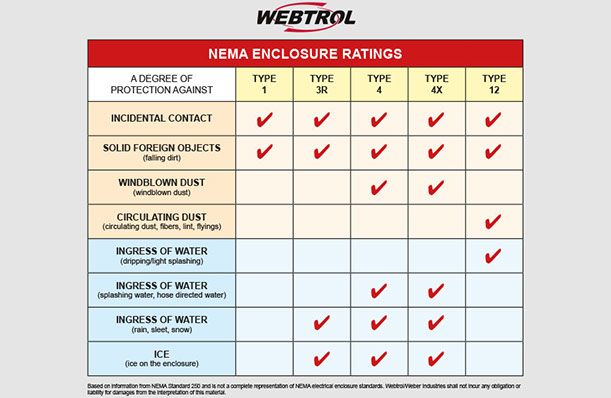
Most Common NEMA Enclosure Ratings
Electrical enclosures are made to protect us from the potential electrical hazards inside, and protect the interior components from outside environmental conditions. The National Electrical Manufacturers Association, or NEMA, defines standards used in North America for different grades of electrical enclosures. They provide ratings, referred to as “types”, that allow users to determine whether an enclosure is right for their