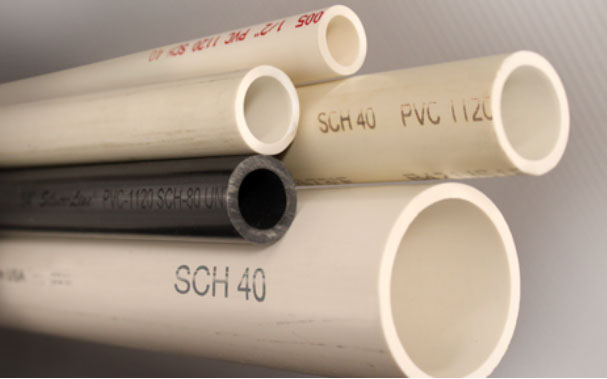
Pipe ID Affects Pressure Loss
Pipe ID (inside diameter) affects pressure loss in water systems and needs to be considered when specifying pipe. It is common in pump sizing to look at a friction loss chart and calculate head loss due to friction when choosing the pipe size that you plan to use. This becomes an issue when the pipe is not specified or the
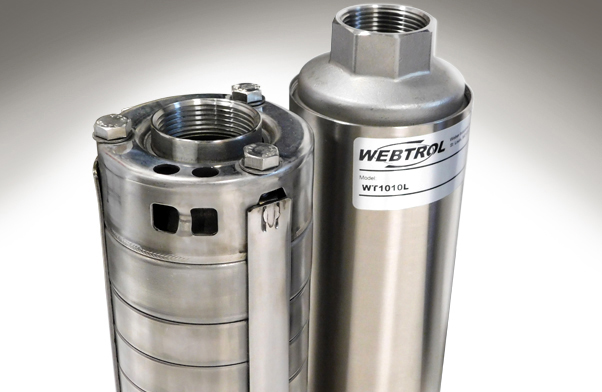
Should You Use a WS or WT Series Pump?
Our 4” and 6” submersible well pumps come in two variations: the WS Series and the WT Series. While both pumps have their strengths, the main difference in these two types of pumps is the amount of stainless steel in their composition. The WS Series is made of ALL stainless steel, inside and out, and is the workhorse of our
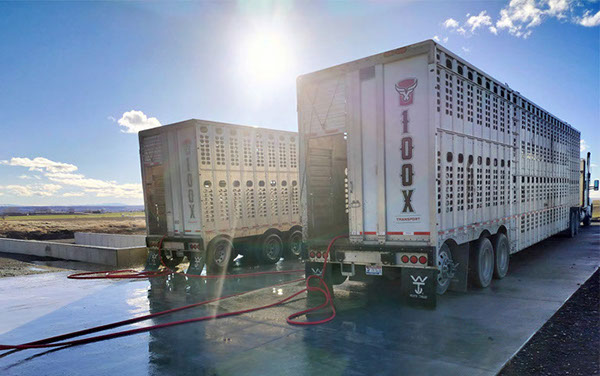
Booster Pumps for Car Washes and Truck Washdowns
Car washes rely on continuous-duty, high pressure pumps to clean lines of waiting, dirty cars. Typically multistage pumps such as the Webtrol EZ Series boosters are effective for car washes. But taking that to the next level is our customer located in rural Idaho who built a truck washdown station for livestock trailers. The wash is equipped with Webtrol NV
Properly Priming Centrifugal Pumps
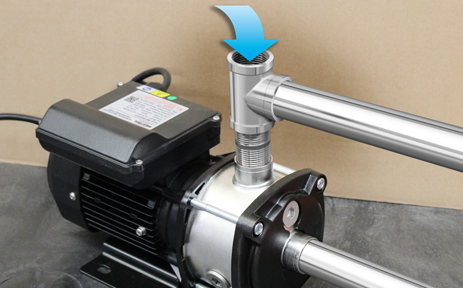
Priming the pump is necessary for it to draw or lift water to be pressurized and transferred. But improper methods for priming a pump can cause damage to the pump or cost hours of lost time due to lack of proper methods for priming at start up. Centrifugal pumps have no built-in mechanism to cause them to draw fluid. Even
Horizontal vs Vertical: Choosing the Right Centrifugal
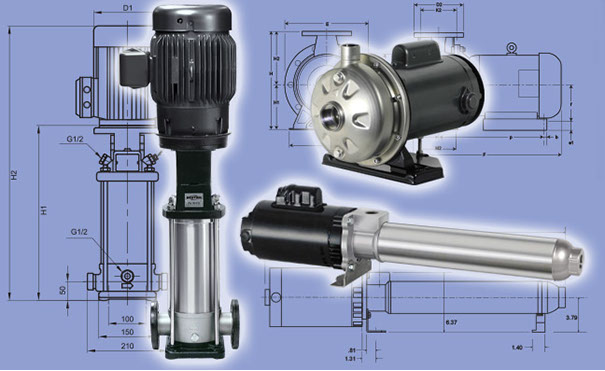
When choosing the right centrifugal or booster pump for a new system, there are factors that should be considered. Flow rates, piping configurations and dimensions are commonly considered. But what about the pump configuration? Should a horizontal or vertical pump be selected? When selecting a pump, the footprint should be examined. A horizontal pump will occupy floor space which could
Using Pump Curves: 102
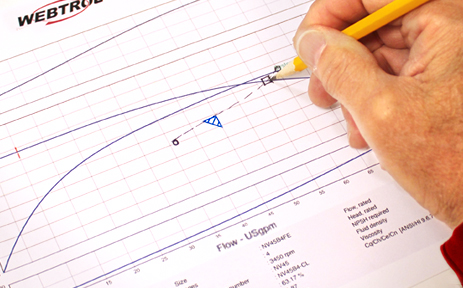
Most everyone who has installed, sold, or manufactured pumps, is familiar with the pump curve. Basic understanding of the pump curve, which is a plotting flow vs. head, is that when we are given a desired flow, we do some basic calculations considering elevation, pressure of inlet and discharge, and piping losses. Then we come up with the total head
Maximum Working Pressure for Multistage Boosters
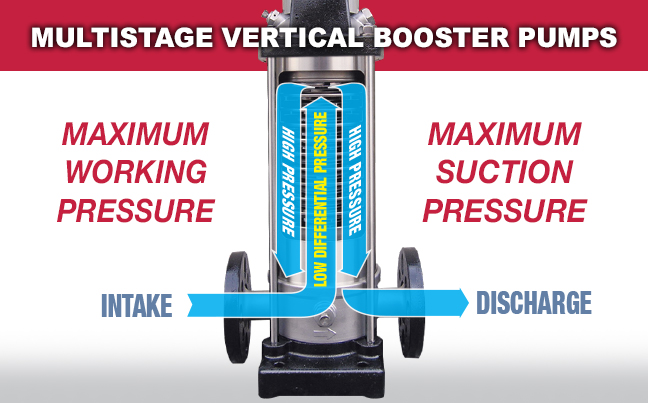
Pump users observe maximum working pressure when selecting pumps. But, they should also consider suction pressure to ensure that the maximum working pressure is not exceeded. Exceeding the maximum working pressure can cause injury or damages. The suction pressure plus the maximum differential pressure of the pump indicates what working pressure the pump could be producing. With multistage vertical booster
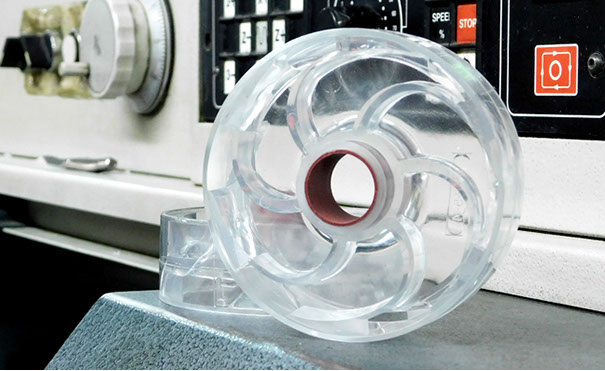
Quality Components: Inside an EZ Series Booster
The EZ Series Booster Pump is one of our most popular industrial pumps, and is built with quality components. For quality control and fast assembly time, we injection mold all our diffusers and impellers in our machine shop at Webtrol. The top diffuser helps stabilize the shaft and keeps it stable for smooth operation. It is made of a strong
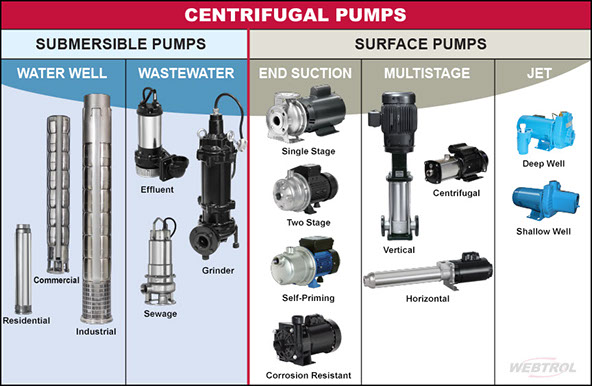
Finding the Right Pump for Your Application
We’ve been specifying pumps for groundwater, commercial & industrial, agricultural, and municipal water supply professionals for over 60 years. So, we know that finding the right pump can be a challenge, and we’re here to help. Determining the right type of surface pump or submersible pump for your customers’ application will depend on many factors. To get started in selecting